Optimal Timing for Roof Truss Repairs
Timely roof truss repairs are essential to maintaining structural integrity and preventing further damage. The optimal time for repairs depends on weather conditions, roof condition, and seasonal considerations. Addressing issues promptly ensures safety and cost-effectiveness.
Perform repairs during dry seasons to avoid weather-related delays and complications.
Schedule inspections after severe storms or high winds to identify damage early.
Regular maintenance checks can detect issues before they worsen, ideally during mild weather periods.
Follow local regulations that may specify optimal repair periods based on climate.
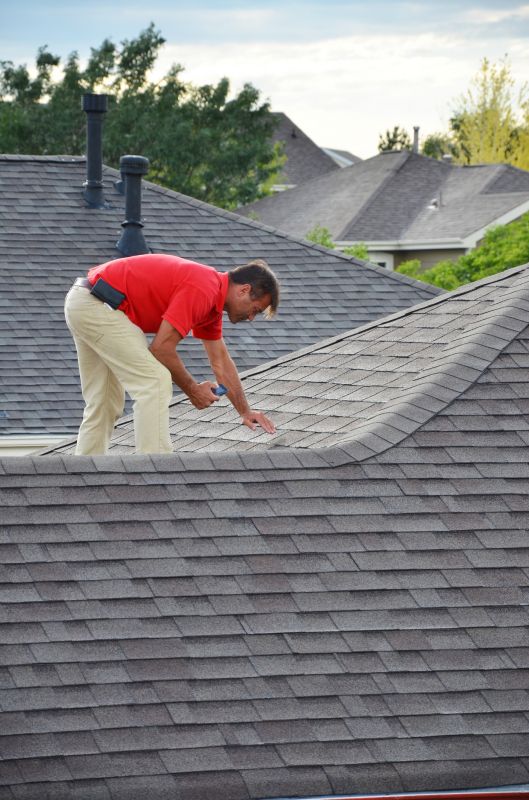
Identifying damage early can reduce repair costs and prevent further deterioration.
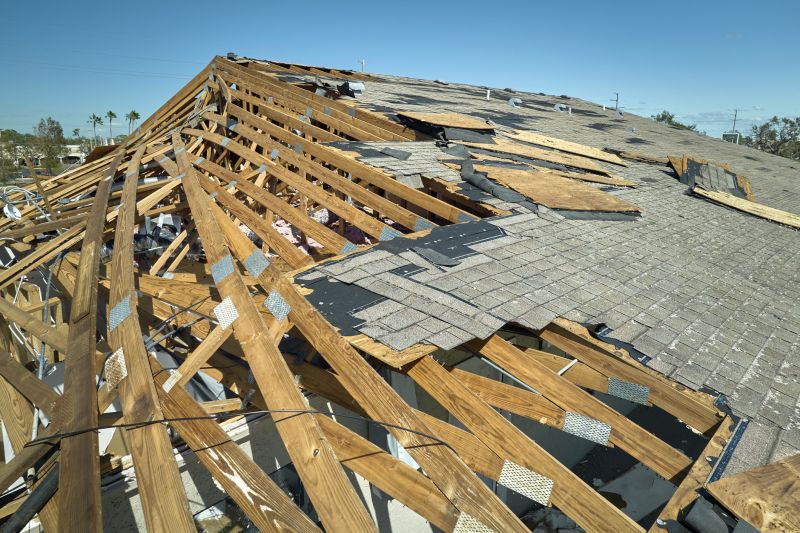
Dry conditions facilitate safer and more efficient repair work.
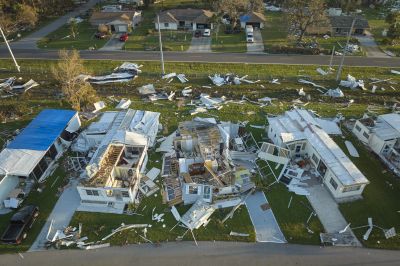
Timely evaluation after storms helps determine necessary repairs.
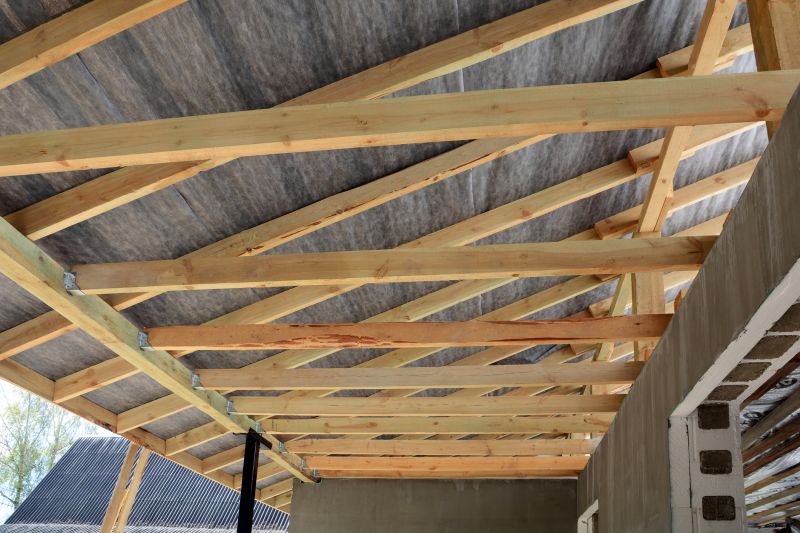
Ways to make Roof Truss Repairs work in tight or awkward layouts.
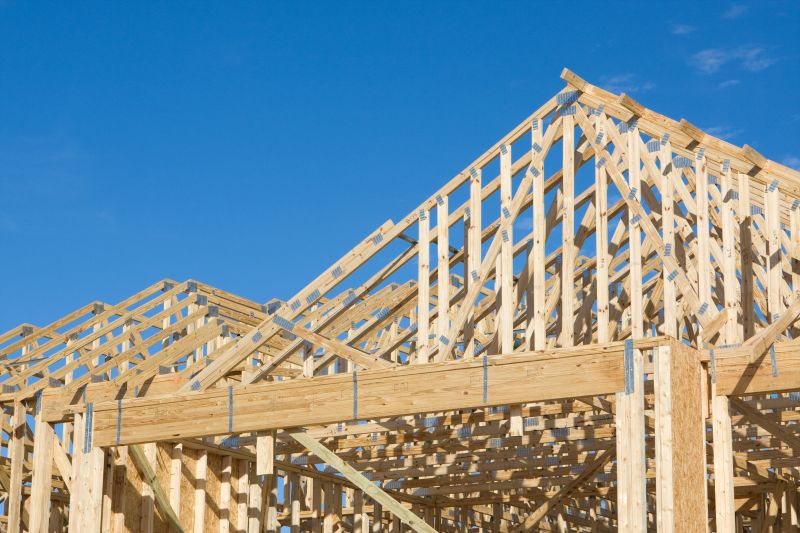
Popular materials for Roof Truss Repairs and why they hold up over time.
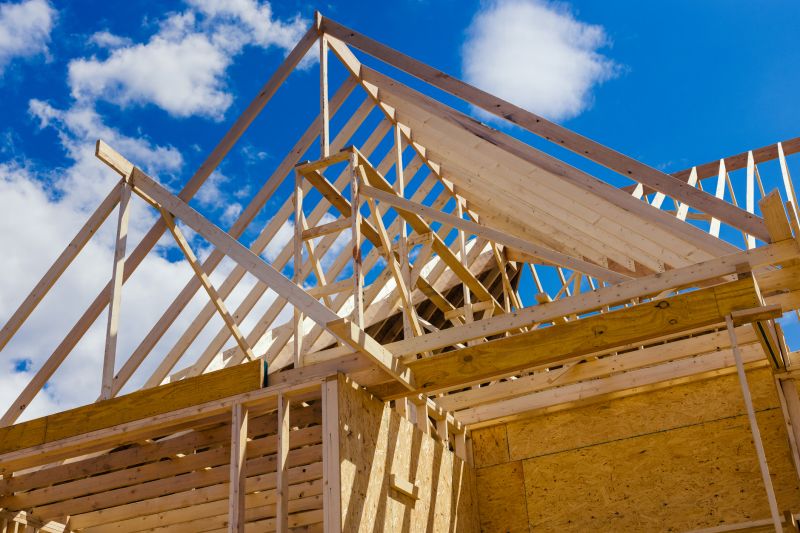
Simple add-ons that improve Roof Truss Repairs without blowing the budget.
Roof truss repairs are a critical aspect of maintaining a building's structural stability. Trusses support the roof's weight and distribute loads evenly across the structure. Damage to roof trusses can lead to sagging, leaks, and even collapse if not addressed promptly. Common causes of damage include severe weather, age-related wear, and improper installation.
Statistics indicate that early intervention can reduce repair costs by up to 50%. Regular inspections and timely repairs help prevent minor issues from escalating into major structural problems. It is recommended to perform a comprehensive roof assessment at least once every few years, especially after extreme weather events.
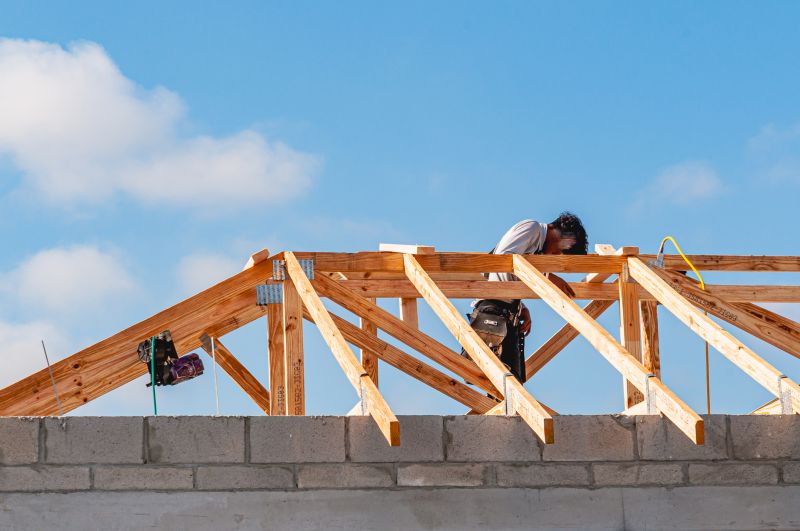
Visible cracks or splits indicate the need for immediate repair.
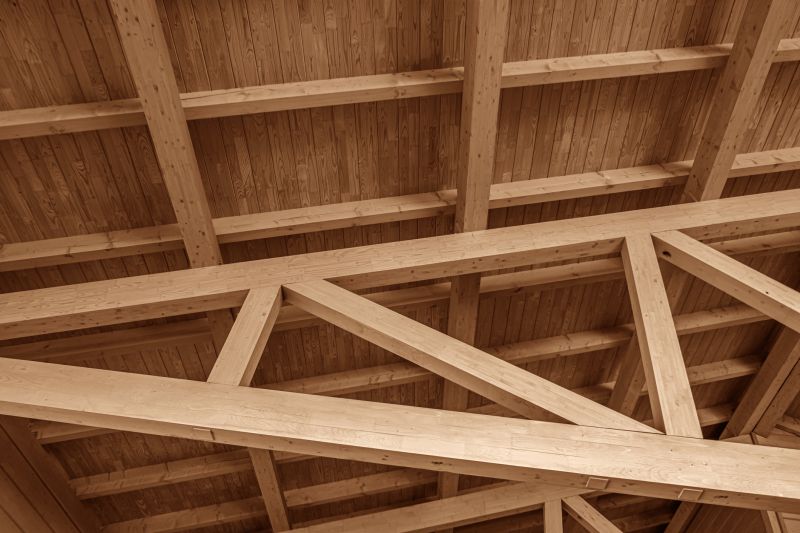
Properly restored trusses restore roof stability and safety.
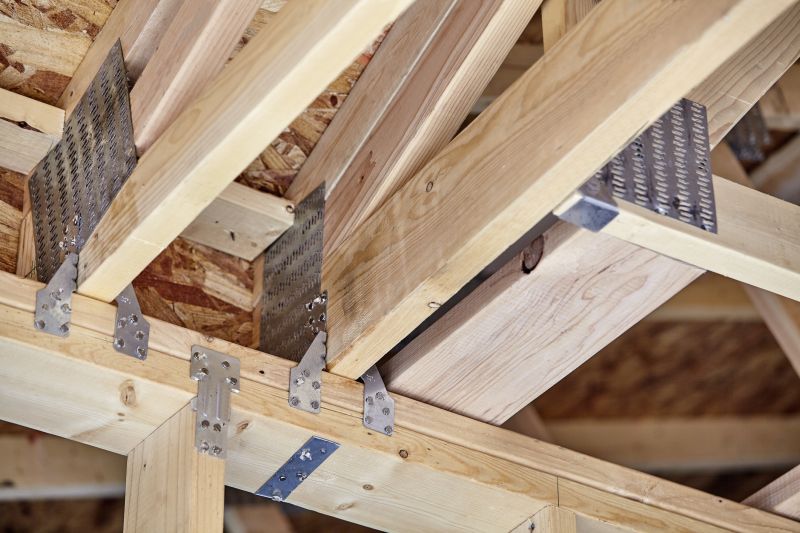
Additional supports can improve load capacity and longevity.
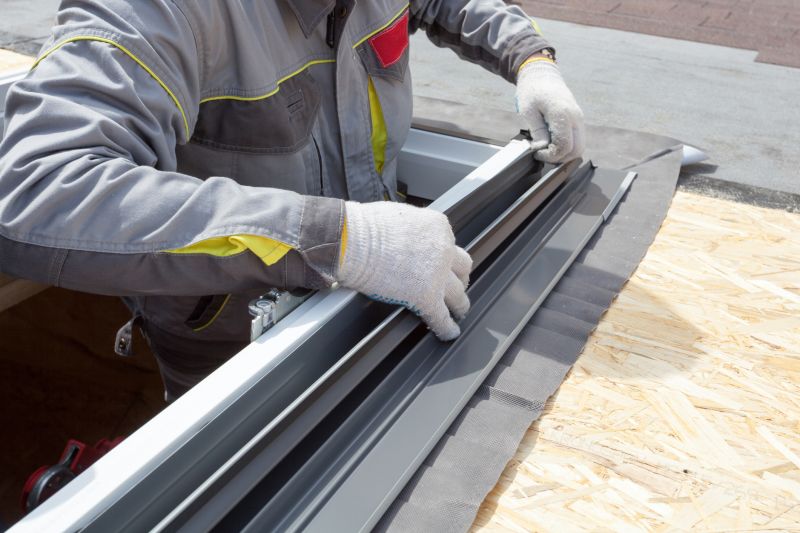
Professional assessment ensures all issues are identified and addressed.
| Season | Ideal Repair Timing |
|---|---|
| Spring | Good for repairs after winter damage and before summer heat. |
| Summer | Suitable during dry, warm months, avoiding peak heat hours. |
| Fall | Optimal before winter weather sets in, allowing for repairs to settle. |
| Winter | Generally discouraged due to cold, snow, and ice conditions. |
| Post-Storm | Immediately after storms to assess and address damage. |
| Pre-Season | Before seasons with severe weather to ensure readiness. |